Sensory Play Ideas to Boost Your Toddler’s Brain Development

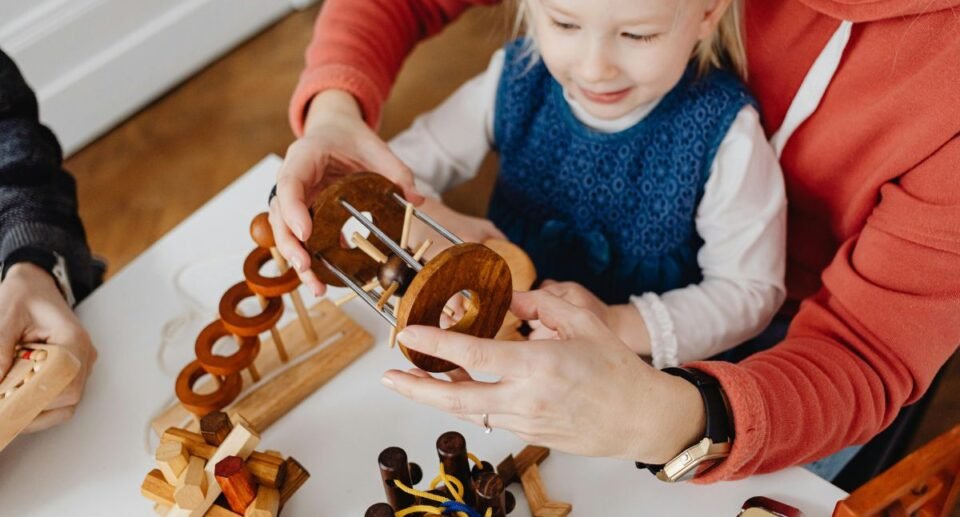
Sensory play is one of the most effective ways to support your toddler’s brain development. By engaging their senses through touch, sight, sound, smell, and even taste, toddlers learn about their environment, build motor skills, and develop cognitive abilities. As toddlers explore different textures, materials, and sensations, their neural pathways grow stronger, enhancing everything from language skills to problem-solving. In this post, discover creative sensory play ideas tailored for toddlers, including how to create safe, stimulating activities.
Why Sensory Play Matters for Toddlers
The toddler years are crucial for brain growth, and sensory experiences help form the connections that support future learning. Sensory play:
- Encourages curiosity and exploration
- Develops fine and gross motor skills
- Strengthens focus and attention span
- Boosts language through new words and concepts
- Provides calming effects and emotional regulation
Parents and caregivers can facilitate sensory-rich environments with everyday items and simple DIY projects.
Indoor Sensory Play Ideas
1. Create a Sensory Bin
Sensory bins are open containers filled with tactile materials and small toys. For fall, consider fall sensory bin ideas like dry corn kernels, mini pumpkins, colorful leaves, and pinecones. Toddlers scoop, pour, and discover different textures while building hand-eye coordination. Add scoops, small cups, and animal figures to make the bin more interactive.
2. Water Play Station
Water play stimulates both touch and sight, offering calming sensory input. Fill a shallow tub with warm water and add sponges, plastic cups, floating toys, or measuring spoons. Make it more educational by encouraging your toddler to pour water from one container to another, learning about volume and cause and effect.
3. Textured Art Activities
Introduce tactile variation through finger paints mixed with different materials like sand or rice. Use textured papers, stencils, and brushes to help toddlers explore new sensations while creating. This enhances fine motor skills and allows creative expression.
4. Play-Doh Exploration
Homemade or store-bought play-dough is a classic sensory material. Adding scents like cinnamon or vanilla makes it a multi-sensory experience. Toddlers can squeeze, roll, and mold dough, strengthening their fingers and hands, which are crucial for later writing skills.
Outdoor Sensory Play Ideas
1. Nature Treasure Hunt
Encourage toddlers to collect natural items like leaves, twigs, pinecones, and rocks during outdoor walks. These objects bring the outdoor world closer, allowing them to explore natural textures and smells.
2. Mud Kitchen
A backyard mud kitchen, or a simple table with dirt, water, pots, and utensils, invites messy, tactile play. This immersive experience sparks imagination, sensory learning, and social interaction when siblings or friends join in.
3. Bubble Chasing
Bubble play encourages full-body movement while providing visual and tactile play. Chasing floating bubbles builds gross motor skills, coordination, and delights with sensory feedback when bubbles pop on their skin.
Setting the Stage: Comfortable Play Spaces
Comfort and safety support longer, focused play sessions. A play mat from Crane Baby offers a soft, cushioned surface, ideal for indoor sensory activities. These mats are designed with non-toxic materials that are easy to clean and provide plush comfort for crawling or sitting toddlers.
Play mats protect little knees and elbows, creating a dedicated play zone that helps kids associate the area with fun and learning.
Safety Tips for Sensory Play
- Use non-toxic, food-grade materials, especially for younger toddlers who might mouth objects.
- Supervise at all times during play, ensuring small items are age-appropriate to prevent choking hazards.
- Clean play materials and surfaces regularly to prevent germs.
- Be mindful of allergies when introducing new scents or natural materials.
How Sensory Play Supports Brain Development
Sensory activities promote synaptic connections in the brain, crucial for overall growth and learning. When toddlers engage multiple senses simultaneously, such as touch, smell, and sight, their cognitive processing speeds up, thereby enhancing memory, attention, and reasoning skills. Additionally, sensory play encourages problem-solving and critical thinking—for example, figuring out how to scoop rice without spilling or deciding what fits into a container.
Incorporating Routine Sensory Play
Make sensory play a regular part of your toddler’s day. It can be integrated into meal prep, a nature walk, or a bath time routine. The key is to remain responsive to your child’s interests and pace, introducing new textures, sounds, and experiences gradually and with enthusiasm.
Rotate play materials frequently to maintain novelty and challenge. By embracing sensory play as a daily ritual, parents nurture curious and confident children who are ready for the following stages of learning and discovery.
Aashley Kai is the Editorial Director of Chelsea Famous Parenting and a licensed expert in early childhood education. She holds a Master’s in Child Psychology from the University of Texas Southwestern Medical Center and has worked as a preschool teacher and child therapist. Since joining in 2024, Aashley has been dedicated to creating well-researched, trustworthy parenting resources. Her work helps parents and caregivers foster nurturing, educational environments for children. Outside of work, she enjoys hiking and photography, capturing nature from a child’s perspective.