

Coconut oil and jojoba oil both offer natural skincare benefits for babies, but they work in different ways. Baby skin absorbs products faster, loses moisture easily, and reacts quickly to heavy or pore-clogging ingredients. Choosing the right oil depends on how it interacts with the skin barrier, not just how popular or natural it sounds.
When comparing coconut oil vs jojoba oil for babies, jojoba oil suits daily use because it closely mimics natural skin oils and absorbs quickly without blocking pores. Coconut oil works better for short-term dryness and barrier protection, especially in colder weather. This guide explains the differences using skin science, baby-specific needs, and real-life parenting use cases so parents can choose the safest and most effective oil with confidence.
Why Is Baby Skin So Sensitive Compared to Adult Skin?
Baby skin behaves very differently from adult skin because it develops rather than defends. A newborn’s skin measures nearly 30% thinner than adult skin. The outer barrier struggles to hold moisture and protect against irritants.
Baby skin absorbs substances faster. A product that feels harmless on adult skin may overwhelm infant skin. Oil glands remain immature. Natural lipid production stays low during early months. Environmental factors like dry air, detergents, saliva, sweat, and friction trigger irritation quickly.
A baby’s immune response also lacks full strength. Skin reacts faster to allergens, fragrances, and heavy oils. This sensitivity explains why parents search for gentle, edible-grade, plant-based oils like coconut oil and jojoba oil.
What Is Coconut Oil and Why Do Parents Use It for Babies?
Coconut oil comes from pressed coconut meat. Traditional cultures have used it for infant massage, scalp care, and diaper care for generations. Parents value coconut oil because it feels familiar, affordable, and edible. Coconut oil contains lauric acid, capric acid, and caprylic acid. These fatty acids support antimicrobial activity.
The oil melts at body temperature, which makes application easy during massage or after baths. Many parents choose coconut oil because it feels natural and free from synthetic chemicals. Marketing labels often emphasize purity, cold-pressed processing, and food-grade quality.
Is Coconut Oil Safe for Babies?
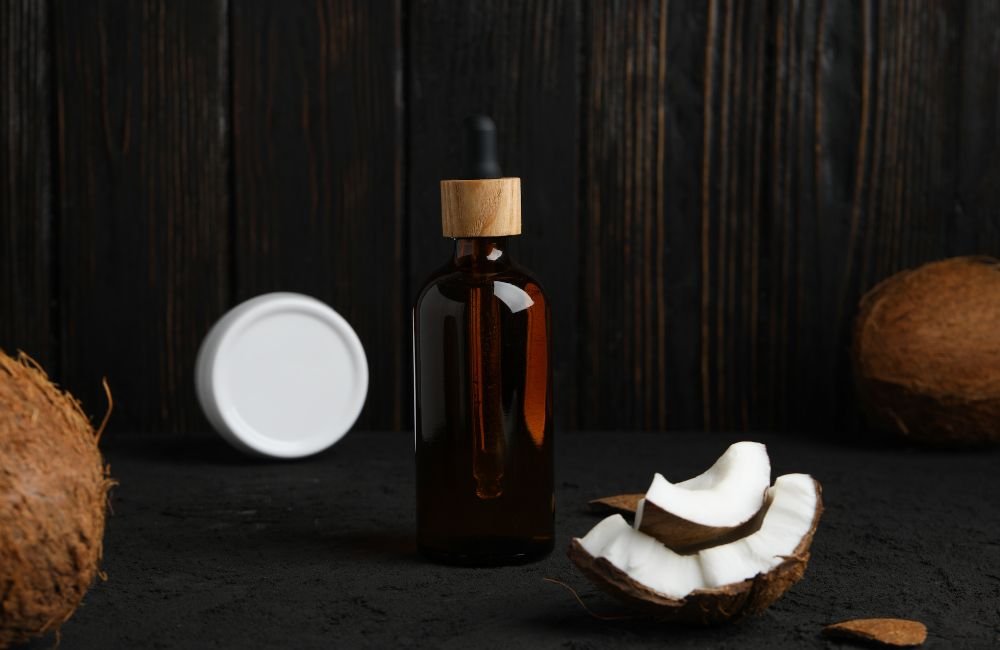
Coconut oil generally remains safe for topical baby use when parents choose virgin, cold-pressed, fragrance-free varieties. Pediatricians usually allow parents to use coconut oil externally on healthy skin. Safety depends on the baby’s skin type and condition. Coconut oil ranks high on the comedogenic scale and may clog pores on acne-prone or heat-sensitive skin.
Babies with eczema may experience flare-ups because the oil creates occlusion. Parents must avoid using coconut oil on broken skin, infected rashes, or open wounds. Parents should always perform a patch test before regular use. Apply a small amount behind the ear or on the inner thigh, wait 24 hours, and monitor for any reactions.
What Are the Benefits of Coconut Oil for Babies?
Natural Moisture Seal
Coconut oil locks moisture into the skin. It reduces transepidermal water loss in dry environments.
Antimicrobial Properties
Lauric acid helps fight bacteria and fungi. Parents often use coconut oil for mild diaper rash prevention.
Gentle Baby Massage
The oil spreads smoothly and warms on contact. Massage improves bonding and relaxation.
Cradle Cap Softening
Coconut oil loosens dry flakes on the scalp. Gentle brushing removes softened scales.
Simple Ingredient Profile
Pure coconut oil contains no preservatives, fragrances, or additives.
What Are the Downsides of Coconut Oil for Babies?
Pore Clogging Risk
Coconut oil sits heavy on skin. Babies with heat rashes or milia may worsen symptoms.
Eczema Trigger Potential
Occlusive oils may trap heat and bacteria under eczema-prone skin.
Allergy Concerns
Coconut allergy remains rare yet possible. Family history of nut allergies raises caution.
Greasy Texture
The oil leaves residue on clothing and bedding.
What Is Jojoba Oil and Why Is It Popular for Baby Skincare?
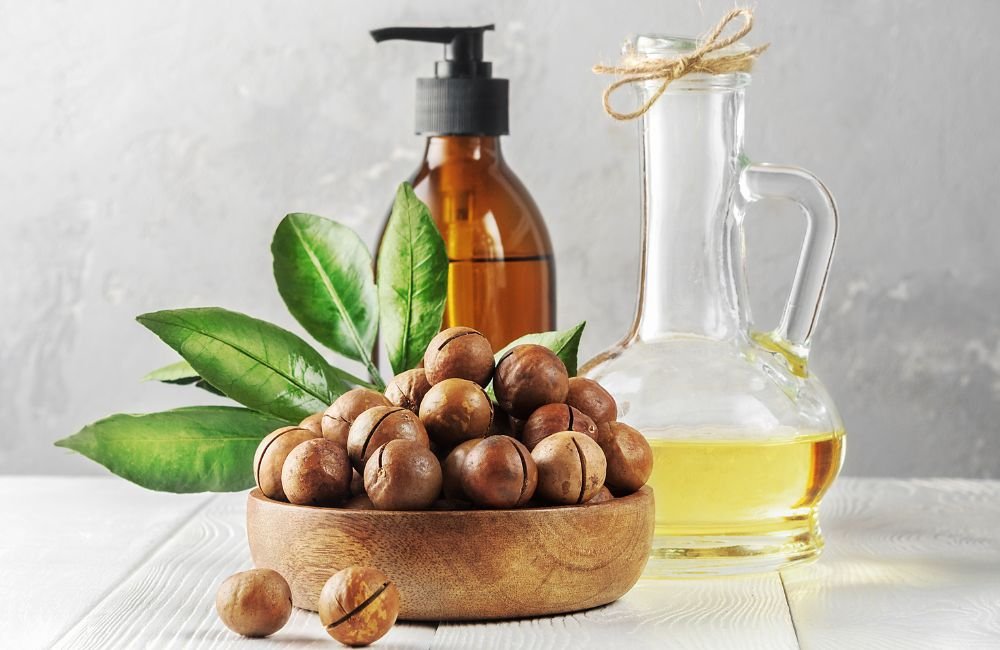
Jojoba oil comes from the seeds of the jojoba plant. Technically, it functions as a liquid wax ester rather than a true oil, and it closely resembles human sebum.Skincare brands favor jojoba oil because it absorbs easily and helps balance the skin without clogging pores. Parents choose jojoba oil for babies with eczema, rashes, or sensitive skin.
Jojoba oil resists oxidation, so it maintains a long shelf life without preservatives. It feels lightweight and non-greasy on the skin.
Is Jojoba Oil Safe for Babies?
Jojoba oil offers excellent safety for infant skin when parents choose pure, cold-pressed, unrefined versions. Dermatologists frequently recommend jojoba oil for babies prone to eczema.
The oil mimics natural skin oils, which reduces the risk of irritation. Jojoba oil stays non comedogenic and hypoallergenic. Parents should still perform a patch test and avoid ingestion, as jojoba oil is not an edible oil.
What Are the Benefits of Jojoba Oil for Babies?
Skin Barrier Support
Jojoba oil strengthens the skin barrier without sealing pores.
Eczema-Friendly Moisture
The oil hydrates while allowing skin to breathe.
Fast Absorption
Skin absorbs jojoba oil quickly. Clothing stays cleaner.
Anti-Inflammatory Action
Natural compounds calm redness and itching.
Sebum Regulation
Jojoba oil balances oil production on both dry and combination baby skin.
Which Oil Is Better for Specific Baby Skin Conditions?
| Baby Skin Condition | Coconut Oil | Jojoba Oil | Best Choice |
| Dry, flaky skin | Seals in moisture well | Moisturizes gently | Coconut Oil |
| Eczema or sensitive skin | May clog pores and irritate | Absorbs easily, calms inflammation | Jojoba Oil |
| Cradle cap | Softens thick flakes quickly | Helps loosen buildup with less irritation | Coconut Oil (quick relief) / Jojoba Oil (gentler) |
| Heat rash / prickly heat | Could trap heat | Lightweight and breathable | Jojoba Oil |
| Diaper rash | Barrier protection, soothing | Anti-inflammatory | Jojoba Oil (daily) / Coconut Oil (targeted barrier) |
| Baby body massage | Can feel greasy, solid at room temp | Smooth glide, non-greasy | Jojoba Oil |
| Facial skin | Can cause breakouts or irritation | Gentle, fast-absorbing | Jojoba Oil |
| Newborn daily skincare | Works but heavier | Lightweight and safe | Jojoba Oil |
How Should Parents Safely Use Coconut or Jojoba Oil on Babies?
- Choose organic, cold-pressed, fragrance-free oil
- Perform patch testing before regular use
- Apply on damp skin after detox baths
- Use small amounts
- Avoid broken or infected skin
- Discontinue use if redness or irritation appears
What Do Pediatricians and Dermatologists Recommend?
Pediatric experts emphasize simplicity and recommend fewer ingredients with gentle formulations. Many dermatologists suggest jojoba oil for eczema and sensitive skin because it closely resembles human sebum. Doctors advise parents to avoid heavy oils for babies with frequent rashes. They also discourage using essential oil blends or scented products. Medical guidance supports careful observation and individualized skin care.