Best Board Games for 5 Year Olds


Finding the right board game for your 5-year-old can be a game-changer. Not only do these games provide hours of fun but they also promote critical skills like problem-solving, teamwork and communication. In this guide, we will share our top picks for board games that are engaging, age-appropriate and educational. With expert insights and recommendations, you will be equipped to choose games that will entertain and enrich your child’s playtime. Let’s explore the best options out there and make your next family game night unforgettable.
Key Factors to Consider When Choosing Board Games for 5- Year Old
When selecting board games for your little ones, always keep these factors in mind:
Simple and Easy Rules
Look for games with simple and easy instructions. Simple rules help kids to understand quickly and dive into fun without frustration.
Engaging Theme & Colors
Choose games with bright, fun themes such as animals, fantasy and adventure. Eye-catching designs capture kids’ imaginations, keeping them interested.
Short Playtime
Focus on games that last between 10 to 20 minutes. This ideal duration helps maintain their attention and keeps the excitement high.
Educational Value
Select those games that enhance skills like counting, memory, problem-solving and teamwork. Learning through play makes the experience both enjoyable and enriching.
Durability
Go for those games with sturdy pieces made from child-friendly materials. Durability ensures that the game can withstand the enthusiastic handling of young players.
Top 10 Best Board Games for 5 Year Olds
Here are some fantastic board games that are perfect for your 5-year olds combining fun with learning.
1. Candy Land
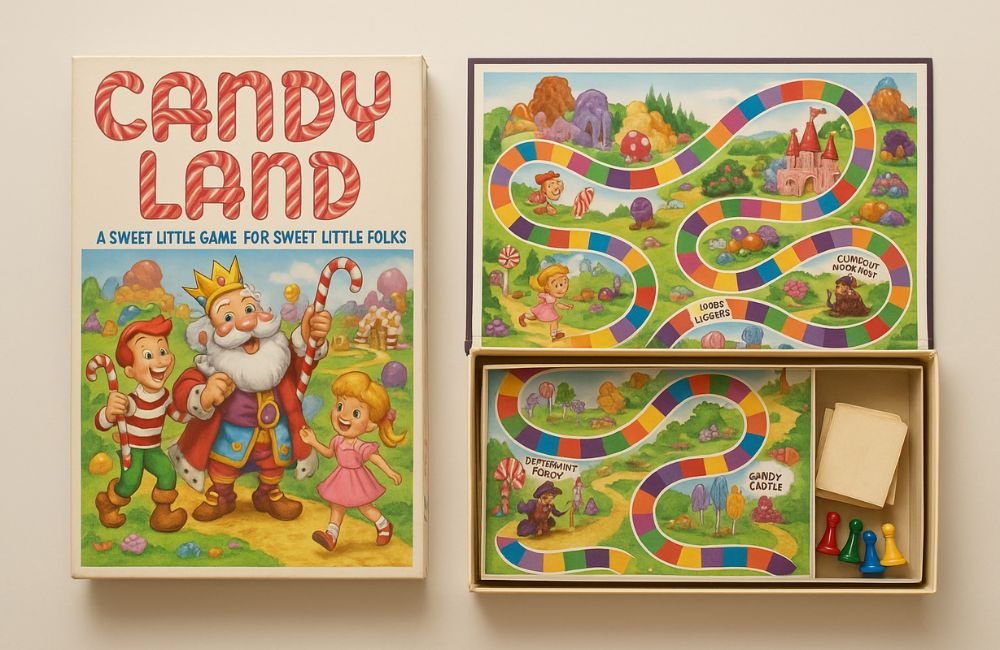
Why it’s great: Simple color-matching, no reading required
Skills Developed: Color recognition, turn-taking
Playtime: 15-20 minutes
Candy Land is a classic that remains timeless. With its colorful board and simple rules, it’s perfect for young children. This game helps kids develop color recognition as they match cards to spaces on the board. It also teaches turn-taking as players wait for their turn to move, promoting patience and social interaction.
2. Hungry Hungry Hippos
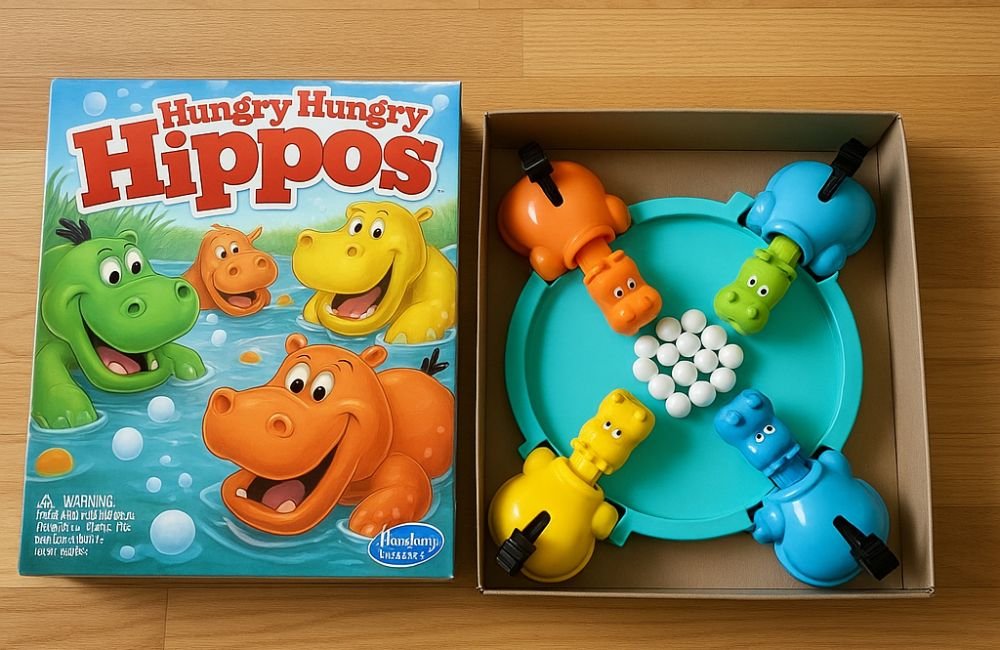
Why it’s great: Fast-paced, energetic and fun
Skills Developed: Hand-eye coordination, fine motor skills
Playtime: 5-10 minutes
This game is all about speed and excitement. Players control hippos that race to gobble up as many marbles as possible creating a lively and competitive atmosphere. Hungry Hungry Hippos enhances hand-eye coordination as kids aim to move their hippos quickly.
3. The Sneaky, Snacky Squirrel Game
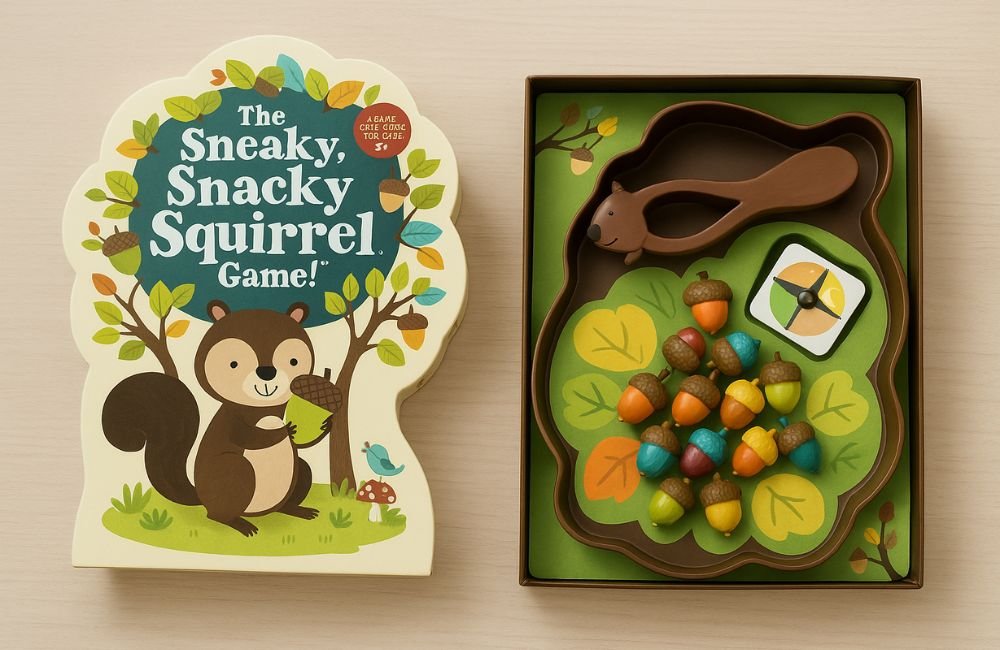
Why it’s great: Fast-paced, energetic and fun
Skills Developed: Hand-eye coordination, fine motor skills
Playtime: 5-10 minutes
Kids love the adorable squirrel theme where they use a squirrel-shaped grabber to collect acorns. The colorful game board and fun components make it visually appealing. This game teaches matching and strategy as players decide which acorns to collect. It improves fine motor skills through the use of a squirrel grabber and encourages counting as kids keep track of their collected acorns.
4. Hoot Owl Hoot
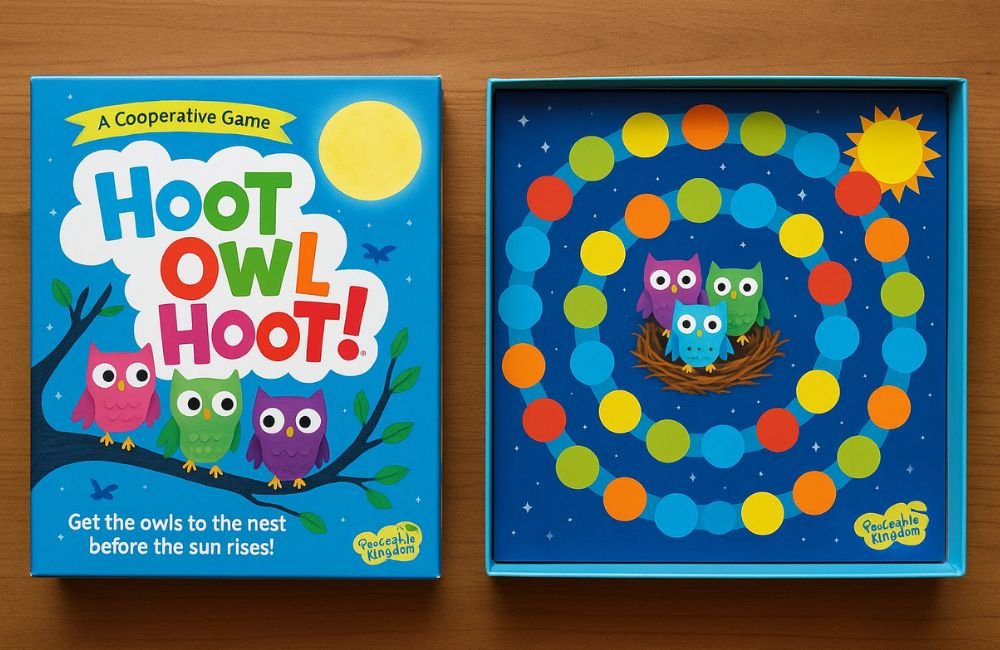
Why it’s great: Cooperative gameplay means no losers
Skills Developed: Teamwork, color recognition, strategy
Playtime: 10-15 minutes
Hoot Owl Hoot is a cooperative game where players work together to help the owls fly back to their nest before the sun comes up. This unique feature is teamwork and collaboration. The game promotes teamwork as children strategize together enhancing their social skills. It helps with color recognition and strategy as they decide the best moves to make.
5. Sequence for Kids
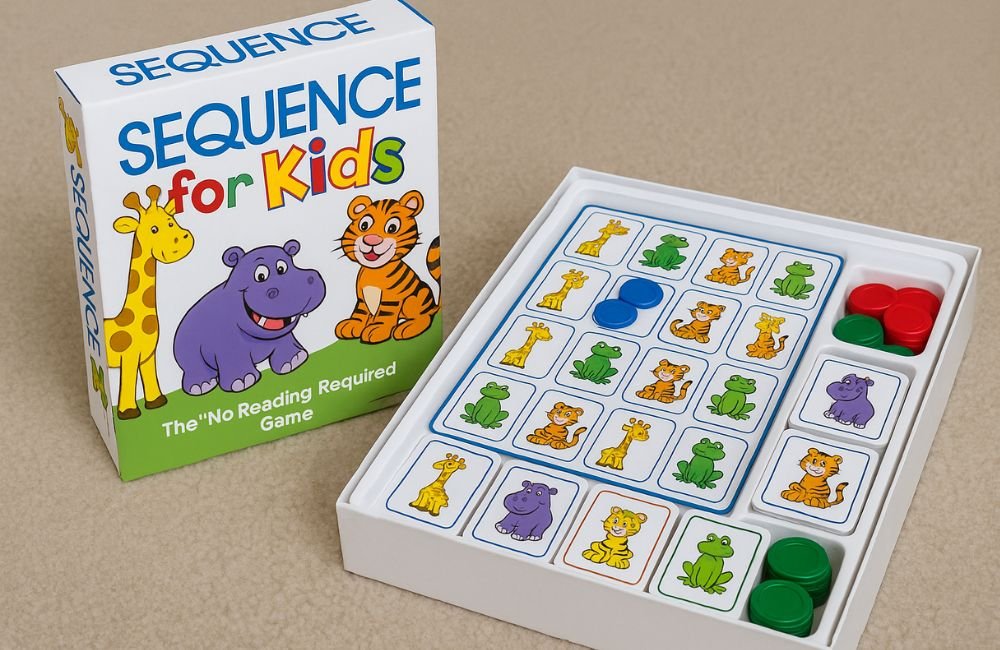
Why it’s great: Introduces strategy in a simple way
Skills Developed: Logical thinking, matching, planning
Playtime: 10-15 minutes
Sequence for Kids introduces basic strategy in a fun and accessible way. Players use cards to place animal chips on the board aiming to create a sequence of four in a row. This game enhances logical thinking and planning as kids decide where to put their chips. It promotes matching skills as they find corresponding cards on the board.
6. Zingo
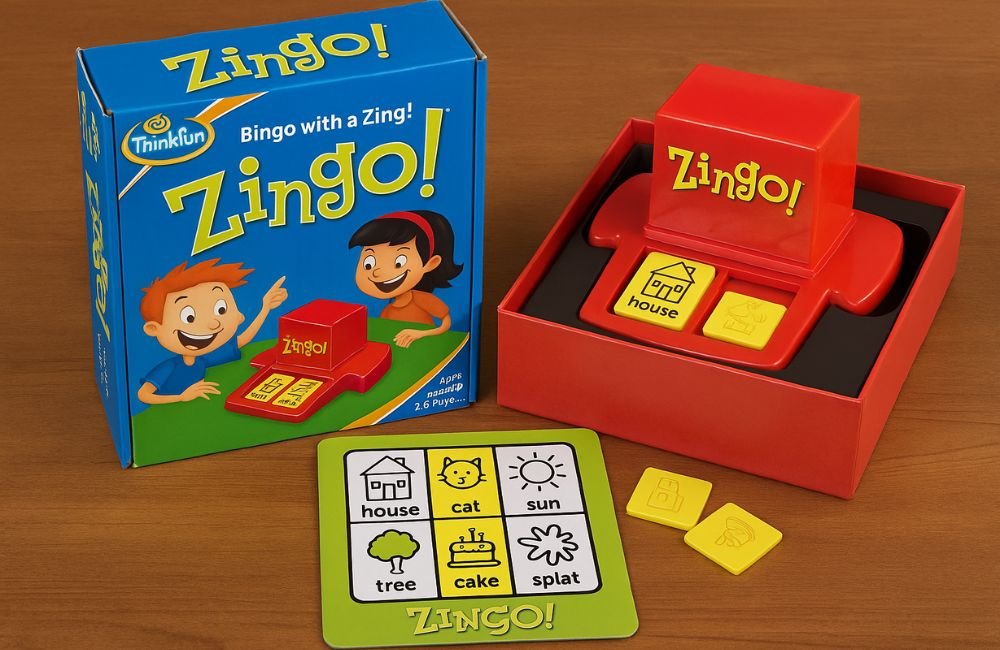
Why it’s great: Bingo with pictures-great for early readers
Skills Developed: Vocabulary, matching, quick thinking
Playtime: 10-15 minutes
Zingo combines the fun of bingo with picture matching making it ideal for early literacy. Players quickly match tiles with images, reinforcing vocabulary skills while competing to fill their cards. This fast-paced game encourages quick thinking and social interaction among players.
7. Outfoxed
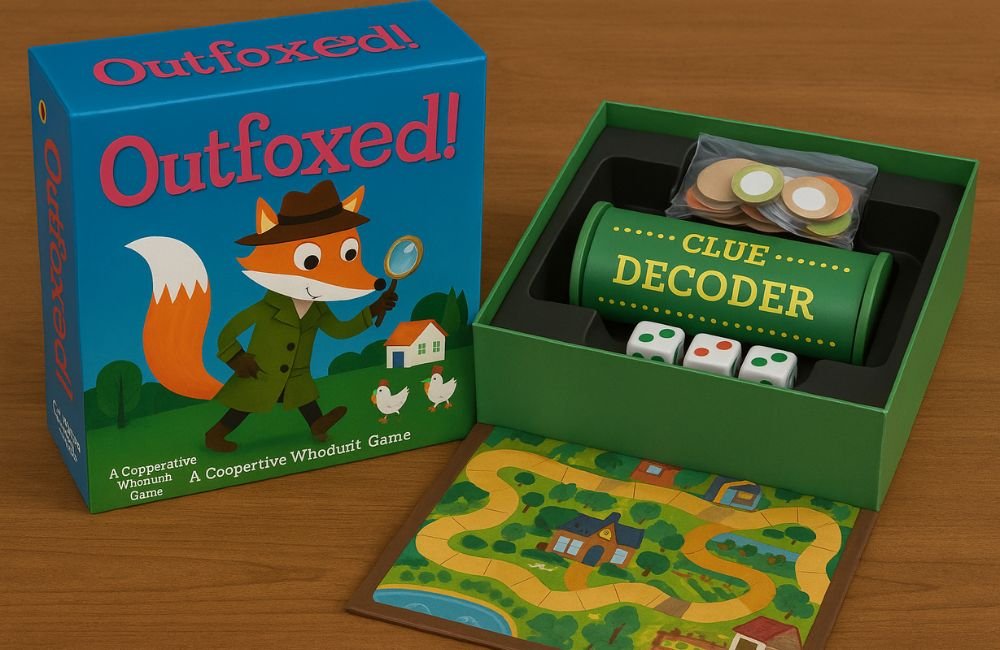
Why it’s great: A cooperative mystery game
Skills Developed: Deductive reasoning, teamwork
Playtime: 20 minutes
Outfoxed invites players to solve a mystery together as they gather clues to find the guilty fox. The cooperative format promotes teamwork and communication allowing kids to practice their deductive reasoning skills. The fun theme keeps everyone engaged as they work toward a common goal.
8. My First Castle Panic
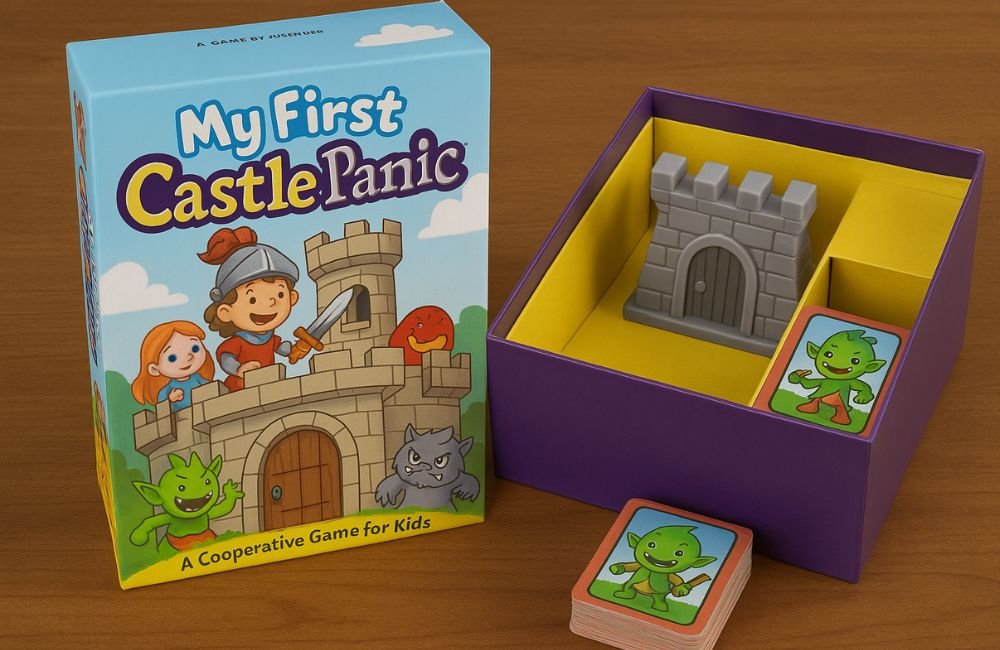
Why it’s great: Kid-friendly version of a strategy game
Skills Developed: Problem solving, cooperation
Playtime: 20 minutes
My first castle panic is a delightful cooperative Activity game where players defend their castle from invading monsters. The colorful components and engaging gameplay encourage teamwork and strategic thinking. Children learn to collaborate and solve problems while enjoying a fun, interactive experience.
9. Rhino Hero
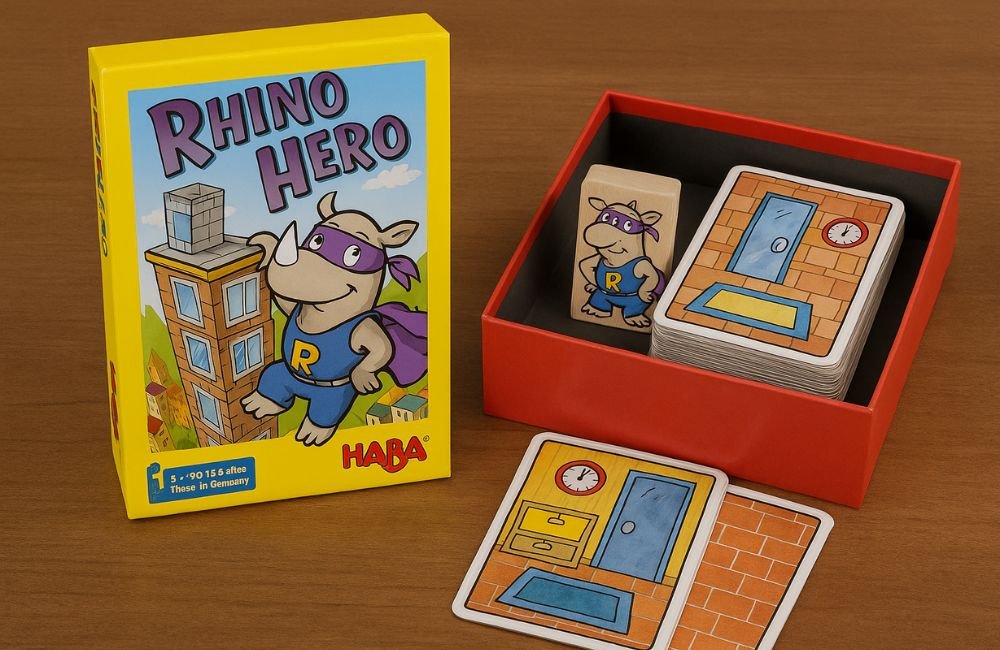
Why it’s great: A 3D stacking game with superhero fun
Skills Developed: Fine motor skills, spatial awareness
Playtime: 10-15 minutes
In Rhino Hero, Players stack cards to build a tower while trying to prevent it from collapsing over. The 3D aspect adds excitement and challenges fine motor skills as kids carefully balance their cards. This game also enhances spatial awareness making it both fun and educational.
10. Count your Chickens
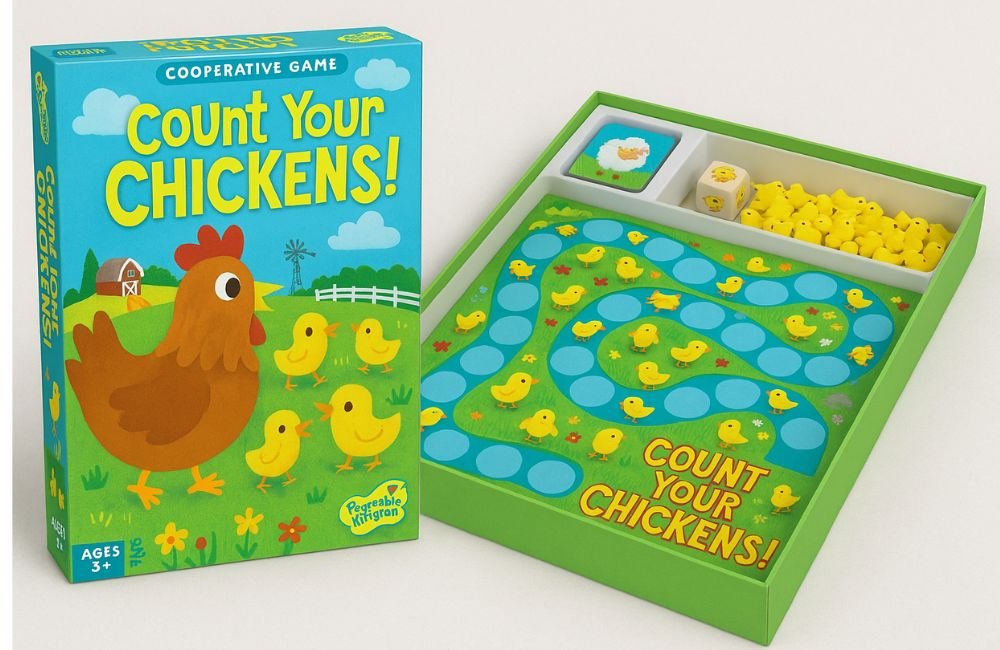
Why it’s great: Cooperative counting game
Skills Developed: Counting, teamwork
Playtime: 10 minutes
Count your chickens is a charming game where players work together to help Mother Hen gather her chicks. The cooperative format encourages teamwork and communication while reinforcing counting skills. Kids learn to strategize together fostering a sense of community and shared achievement.
Final Thoughts
These are a variety of exciting options that combine fun and learning. From the colorful adventures of Candy Land to the Count your Chickens help to develop essential skills like teamwork, problem-solving and fine motor abilities. We would love to hear from you. Share your favorite games or share your most memorable experiences in the comments below.
FAQS
Why if my child loses interest quickly?
Are competitive or cooperative games better?
How many players are ideal?
Aashley Kai is the Editorial Director of Chelsea Famous Parenting and a licensed expert in early childhood education. She holds a Master’s in Child Psychology from the University of Texas Southwestern Medical Center and has worked as a preschool teacher and child therapist. Since joining in 2024, Aashley has been dedicated to creating well-researched, trustworthy parenting resources. Her work helps parents and caregivers foster nurturing, educational environments for children. Outside of work, she enjoys hiking and photography, capturing nature from a child’s perspective.