
Your Newborn’s Stomach Size: What Every New Parent Should Know


New parents often feel confused about how much milk a newborn needs. Many try to match feeding volume with bottle markings or online charts. A newborn never follows charts. The stomach grows rapidly each day, and every baby moves through feeding stages with a unique pace. Parents gain confidence when they understand real stomach capacity, developmental changes, and natural hunger patterns.
This guide gives parents exact day-by-day insights about newborn stomach size, natural capacity limits, emotional factors that affect feeding, growth clues, and safe feeding strategies. No fluff. No recycled Google content. Only practical, experience-based knowledge that parents can use right away.
How Big is a Newborn’s Stomach?
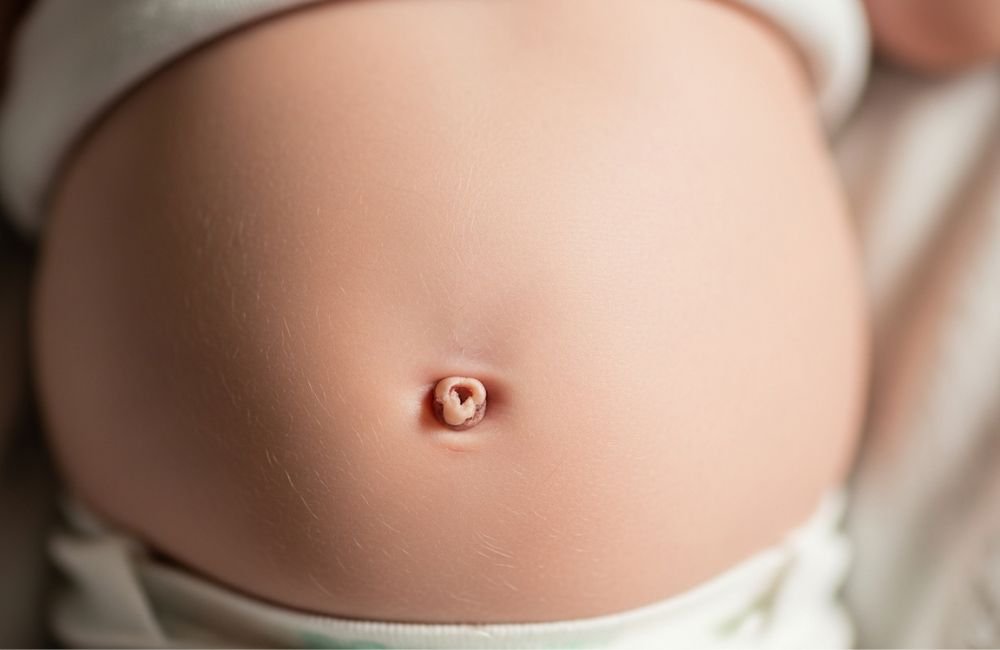
From the moment they’re born, a newborn’s stomach is surprisingly tiny—around the size of a cherry or a marble. This may seem tiny, but it’s completely normal! In fact, the small size is a reflection of how rapidly your baby’s digestive system is still maturing. In those first few days, their stomach can only hold small amounts of milk, but that capacity will increase quickly as they grow.
For a clearer picture, think of your newborn’s stomach on Day 1 as being roughly the size of a small grape, capable of holding about 5 to 7 milliliters of milk. This amount is enough for their initial feedings, which are small but frequent. As they adjust to life outside the womb, their stomach expands, and their digestive system becomes more efficient at processing the milk.
When Will Your Newborn’s Digestive System Fully Develop?
Newborns are born with digestive systems that are still in the process of developing. It’s not until around six months that their digestion matures enough to handle larger meals and more varied foods. In the early weeks, your baby’s digestive system is primarily focused on absorbing the nutrients from breast milk or formula. Their tiny stomach needs to adapt to digesting milk, while their intestines are getting better at absorbing the nutrients from those first feedings.
This is why, during the early months, babies often have frequent bowel movements. Their bodies are working hard to break down and absorb all the nutrients they need from milk.
How Much Milk Does Your Newborn Baby Need?
The amount of milk your baby needs varies depending on their age, size, and whether they are breastfed or bottle-fed. Newborns start with tiny feedings and gradually increase the amount as their stomachs grow. Some babies might experience feeding discomfort due to common conditions like gas, reflux, or baby eczema, which can affect hunger cues.During the first few weeks, expect to feed your baby about every 2 to 3 hours.
Here’s an idea of how much milk your baby might need at different stages:
- Day 1: 5–7 mL per feeding
- Day 3: 22–27 mL per feeding
- Day 7: 45–60 mL per feeding
- 2 weeks and beyond: 90 mL per feeding (and gradually increasing)
As they grow, they will begin to take more milk with each feeding, and you might notice that the time between feedings starts to stretch out a bit.
How the Baby’s Stomach Size Changes Week by Week
Stomach Size at 2 Weeks
By two weeks old, your baby’s stomach is getting a little bigger, capable of holding 60–80 mL of milk per feeding. This is when they start to stretch out the time between feedings to around 3 hours.
Stomach Size at 3 Weeks
At three weeks, their stomach capacity increases again to around 90 mL. Many babies will space out their feedings a bit more at this stage, feeding every 3 hours, though some may still prefer more frequent feedings.
Stomach Size at 4 Weeks
By four weeks, your baby’s stomach has grown to hold about 100 mL. This is when babies begin to establish a more predictable feeding routine. They’re likely eating about 100–120 mL per feeding every 3 to 4 hours.
Stomach Size at 6 Weeks
By six weeks, your baby’s stomach is now capable of holding about 120 mL of milk. With this added capacity, you might notice they can go about 4 hours between feedings, although during growth spurts, they may still demand milk more frequently.
How Baby’s Stomach Size Changes by Month

Stomach Size at 2 Months
At two months, your baby’s stomach can hold 150–180 mL per feeding. By now, they’re probably feeding every 4 hours or so, and you may notice their feeding schedule becoming more predictable.
Stomach Size at 4 Months
At four months, your baby’s stomach capacity is typically around 180–200 mL. They may be able to go 4 to 5 hours between feedings, and many babies at this age are starting to sleep through the night without needing a feed.
Stomach Size at 6 Months
By six months, your baby’s stomach can hold 200–240 mL of milk. At this point, many babies begin to introduce solid foods into their diet, which can decrease the frequency of milk feedings as they start to consume more solids.
Stomach Size at 9 Months
At nine months, your baby’s stomach can handle 240–300 mL of milk per feeding. By now, they’re probably eating both breast milk or formula and solids. You may notice a decrease in their milk intake as they become more interested in eating solid food.
Newborn Stomach Capacity in mL
The amount of milk your newborn can hold in their stomach increases steadily during those first few days and weeks. Here’s a breakdown of their stomach capacity as it grows:
Day 1: 5–7 mL
On day one, your newborn’s stomach is tiny, holding just 5–7 mL of milk. It’s a small amount, but this is all they need to get those first vital nutrients in those early hours.
Day 3: 22–27 mL
By day three, your baby’s stomach has grown enough to hold 22–27 mL of milk. This allows them to begin getting more nourishment, which is important for their growth in those first few days.
Day 7: 45–60 mL
By day seven, your baby’s stomach capacity increases to around 45–60 mL. This is a big jump, and it helps your baby feel fuller for longer between feedings.
Signs Your Baby is Full or Hungry
As you get to know your baby’s feeding cues, you’ll start recognizing when they are hungry or full. Some common signs of baby hunger include rooting, sucking on their hands, or making sucking noises. When they’re full, they may slow down, stop breastfeeding, or turn their head away from the bottle. You may also notice their body relaxing as they become content.
Newborn Stomach Size Chart
Here’s a quick reference chart showing your baby’s stomach size over the first months:
| Age | Stomach Capacity |
| Day 1 | 5–7 mL |
| Day 3 | 22–27 mL |
| Day 7 | 45–60 mL |
| 2 Weeks | 60–80 mL |
| 3 Weeks | 90 mL |
| 4 Weeks | 100 mL |
| 6 Weeks | 120 mL |
| 2 Months | 150–180 mL |
| 4 Months | 180–200 mL |
| 6 Months | 200–240 mL |
| 9 Months | 240–300 mL |
Understanding your baby’s stomach size and their changing feeding needs will help you confidently navigate these early stages of their life. Keep in mind, every baby is unique, so always feel free to reach out to your pediatrician with any concerns about feeding or growth. This knowledge will empower you to support your baby’s nutritional needs as they grow and thrive.
Aashley Kai is the Editorial Director of Chelsea Famous Parenting and a licensed expert in early childhood education. She holds a Master’s in Child Psychology from the University of Texas Southwestern Medical Center and has worked as a preschool teacher and child therapist. Since joining in 2024, Aashley has been dedicated to creating well-researched, trustworthy parenting resources. Her work helps parents and caregivers foster nurturing, educational environments for children. Outside of work, she enjoys hiking and photography, capturing nature from a child’s perspective.