Signs Your Teen May Be Using Drugs

It is obvious that as a parent, you may find it a bit of a challenge to know whether your teen is using drugs. Adolescence- This coexists with the process of growing up and finding yourself at an age when most teenagers are exposed to drugs. The known signs would help you to intervene early enough before it is too late to handle the situation and support your teen. This paper will discuss some of the signs that are prevalent in drug use among the teenagers, how to detect the signs and what needs to be done in case there is a suspicion that could be signifying that these teens are using the drug.
What Are the Signs My Teenager May Be Using Drugs?
Identification of drug use by adolescents typically starts with the behavioral/physical/social changes that manifest in a young patient.
Signs may be either very simple or rather theatrical. The initial symptom is that behavioral changes, which include withdrawal of the individual from family and friends, poor academic performance, and keeping secrets, are witnessed.
It can as well be a symptom of an abnormal occurrence with physical appearance as one can have red eyes, and weight loss or untidiness. A combination of symptoms is what we should be looking out for not poor symptoms, because drugs have varied symptoms.
How To Tell If Your Teen Is Taking Drugs?
One of the red flags is your teen becoming increasingly secretive, like hiding the truth about their whereabouts or what they have done. Also, you might notice a change towards more risky and delinquent behavior such as skipping school, sneaking out at night, or involvement in activities that they once did not like.
With such changes, your question may be, Can a parent order a drug test on a child? Although the situation must be approached as carefully as possible, there are also ways to go around ordering drug tests when parents believe that drug testing is the best thing that should happen to their teenager. Knowing about these indicators and understanding what to do will allow you to address them and consult others in case of necessity.
What Drugs Do Teenagers Commonly Use?
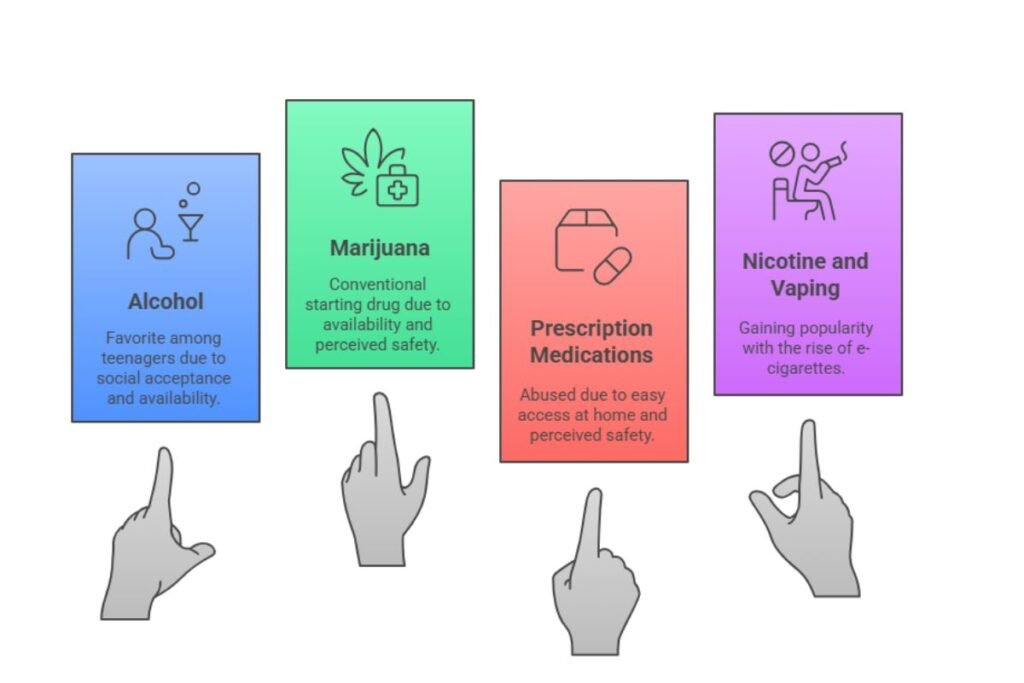
Teens indulge themselves in the use of diverse drugs and there is a need to identify where their line of entry can come in. Some of the most misused drugs are as follows:
- Alcohol: It is the favorite one among teenagers.
- Marijuana: It is the most conventional starting drug that teenagers engage in due to its availability.
- Prescription medications: Some Medications like pain relievers, anxiety relievers and so on can be abused by teens, especially when they have easy availability at home.
- Nicotine and Vaping: Vaping is currently a foreign word, but it has caught an interest among the teenagers as e-cigarettes came into the picture.
How Do I Talk to My Teen About Drug Use?
It is sometimes difficult to confront a teenager concerning a drug problem. One should stay cool and non-aggressive. Introduce the discussion without putting a finger on the problem instead using the question, Are you using drugs? You should say something like, I have noticed a bit of a change in the way you have been behaving and I am concerned about you. Come on, let us have a chat.” Pay attention and listen to your teen and do not pass judgment or interrupt the teen. Be able to express that you are worried and it is out of love not punitive. The two main points to promote the free communication are patience and trust.
What are the Red Flags That a Teen Is Using Drugs?
Some of the early indications of using drugs can be slight alterations in behavior. It is possible to observe the following things:
- Decline in school performance or attendance: Missing work, failure to deliver assignments or a reduction in grade.
- Increased secrecy: they spent more time in their room, and they became elusive about where they were or what they were doing.
- Mood swings: Irascibility that is characterised by anger, irritability, or a depressed mood without a clear cause.
- Transformation in social circle: Company of new group of not so good friends or friends with bad influence.
- Withdrawal from family: becoming detached or less interested in family activity and chatting.
What Should I Do if I Suspect My Teen is Using Drugs?
Talking to a teenager of whom you suspect to be using drugs is hard. One must learn to be non-confrontational and collected. The negotiation process is not supposed to offense. Instead of having to face a question such as, Are you on drugs? I have observed that there is something wrong with your behavior and I am concerned about you. Well, come on, speak up.” When listening to what your teen has got to say, one should avoid making judgments and interruptions. Translate into your own words the way you are concerned and not to be punished. The essence of this endowment in allowing flow of a free thought in a conversation is to be patient and trustful.
Dont Miss : Can a Parent Request a Drug Test for Their Child?
FAQs:
Withdrawals, poor hygiene, new friends, behavioral change, physical change, social change are some of the indicators of drugs.
Observe any abrupt changes in personality, behavior or appearance changes like irritability or an expression of secrecy.
Meet with them in a calm way, and have concern, but no judgment.
These may include deteriorating school grades, secrecy, mood swings, new friends, and withdrawal of the abused family member.
Then there is the experimentation phase, where adolescents use drugs with just curiosity or to be like their friends without any aspirations of becoming dependent on drugs.
Aashley Kai is the Editorial Director of Chelsea Famous Parenting and a licensed expert in early childhood education. She holds a Master’s in Child Psychology from the University of Texas Southwestern Medical Center and has worked as a preschool teacher and child therapist. Since joining in 2024, Aashley has been dedicated to creating well-researched, trustworthy parenting resources. Her work helps parents and caregivers foster nurturing, educational environments for children. Outside of work, she enjoys hiking and photography, capturing nature from a child’s perspective.