Understanding Active and Passive Immunity for School Students

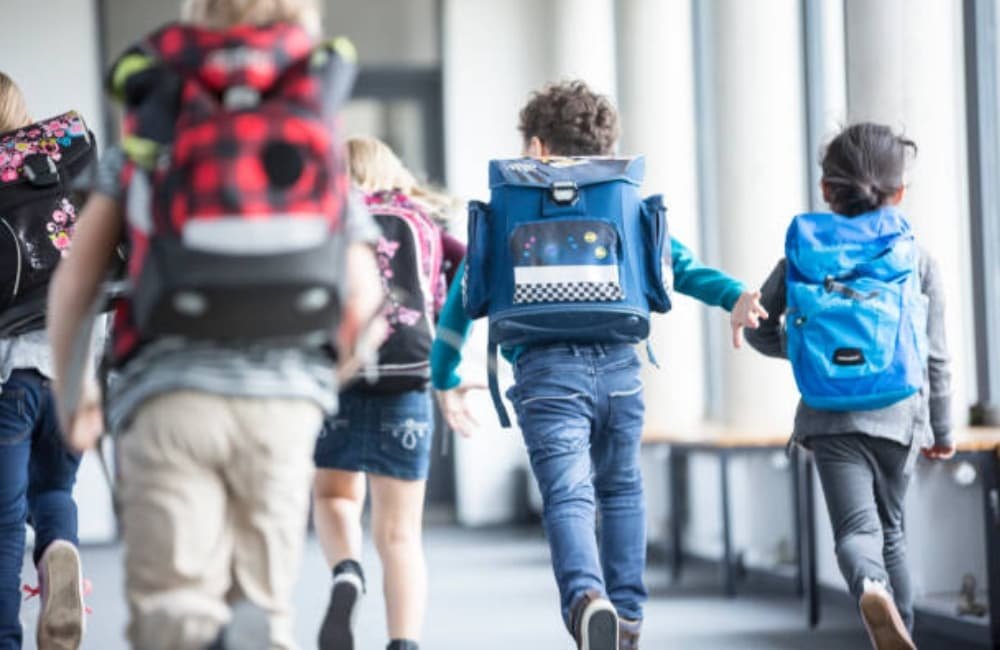
Learning about the immune system can help children take better care of their health every day. The bodies come in contact with germs in schools, playgrounds, buses, and many public places. A strong immune system helps the body fight these germs and stay healthy.
In simple words, immunity is the body’s natural protection system that works quietly in the background all the time. Knowing about active and passive immunity can also help students understand how vaccines, healthy habits, and medical care help protect the body as they grow up.
Active and Passive Immunity Explained for School Students
What Immunity Means in the Human Body
Immunity is the body’s natural way of protecting itself from diseases and infections. The immune system is made up of specialized cells that work together to protect the body. They can detect harmful germs, such as bacteria and viruses, when they enter the body. Once germs are detected, the immune system begins fighting them.
A strong immune system can help children stay active, healthy, and energetic at school and in daily activities. Eating healthy food, sleeping well, staying active, and maintaining cleanliness may help support the immune system.
What Is Active Immunity and How Does It Work
Active immunity develops when the body learns to protect itself naturally against germs. It usually occurs after an infection or vaccination. During this process, the body makes special antibodies that can recognize harmful germs in the future.
These antibodies help the immune system respond more quickly if the same germs enter the body again. In many cases, the body also keeps memory cells for long-term protection. As a result, active immunity may last longer.
Common Examples of Active Immunity in Daily Life
Many children experience active immunity during their growing years through vaccines and common illnesses. Vaccinations given during childhood help the body prepare itself against different diseases.
Sometimes, recovering from a mild illness also teaches the immune system how to recognize the same germs later. Schoolchildren are often exposed to environments where germs can spread easily. A healthy immune system may help the body respond better in such situations.
What Is Passive Immunity and Why Is It Important
Active immunity works differently because the body receives pre-made antibodies from another source. In this type of immunity, the immune system does not produce antibodies on its own. Passive immunity can provide quick protection when needed urgently, but its effect usually lasts only a short time.
Learning about active and passive immunity helps students understand that the body can protect itself in different ways depending on the situation.
Everyday Examples of Passive Immunity for Children
Passive immunity is something that many children experience in everyday life without even realizing it. Newborn babies get antibodies from their mothers, which help protect them during the first few months after birth. Breast milk also provides babies with temporary protection while their immune systems gradually strengthen.
In some emergencies, doctors may also administer special antibody injections to provide rapid protection against serious infections or diseases.
Key Differences Between Active and Passive Immunity
Active immunity develops through the gradual buildup of antibodies, either as a consequence of an infection or of vaccination. Passive immunity is acquired by administering antibodies, whether human- or animal-derived, to provide rapid protection.
Active immunity takes longer because the body gradually learns to fight germs on its own. Passive immunity acts faster because the antibodies are already prepared and ready to work.
Another major difference is the length of the protection. Active immunity may last longer because the body retains memory cells that remember the germs. Passive immunity is temporary because the body does not create memory cells in this process.
Conclusion
Learning about immunity helps children understand how the body protects itself from diseases every day. Simple habits like eating healthy food, getting enough sleep, staying active, and keeping clean can help support a strong immune system. Both active and passive immunity play an important role in keeping children healthy during their growing years.
Aashley Kai is the Editorial Director of Chelsea Famous Parenting and a licensed expert in early childhood education. She holds a Master’s in Child Psychology from the University of Texas Southwestern Medical Center and has worked as a preschool teacher and child therapist. Since joining in 2024, Aashley has been dedicated to creating well-researched, trustworthy parenting resources. Her work helps parents and caregivers foster nurturing, educational environments for children. Outside of work, she enjoys hiking and photography, capturing nature from a child’s perspective.